Wizards Update: Just How Good Are They?

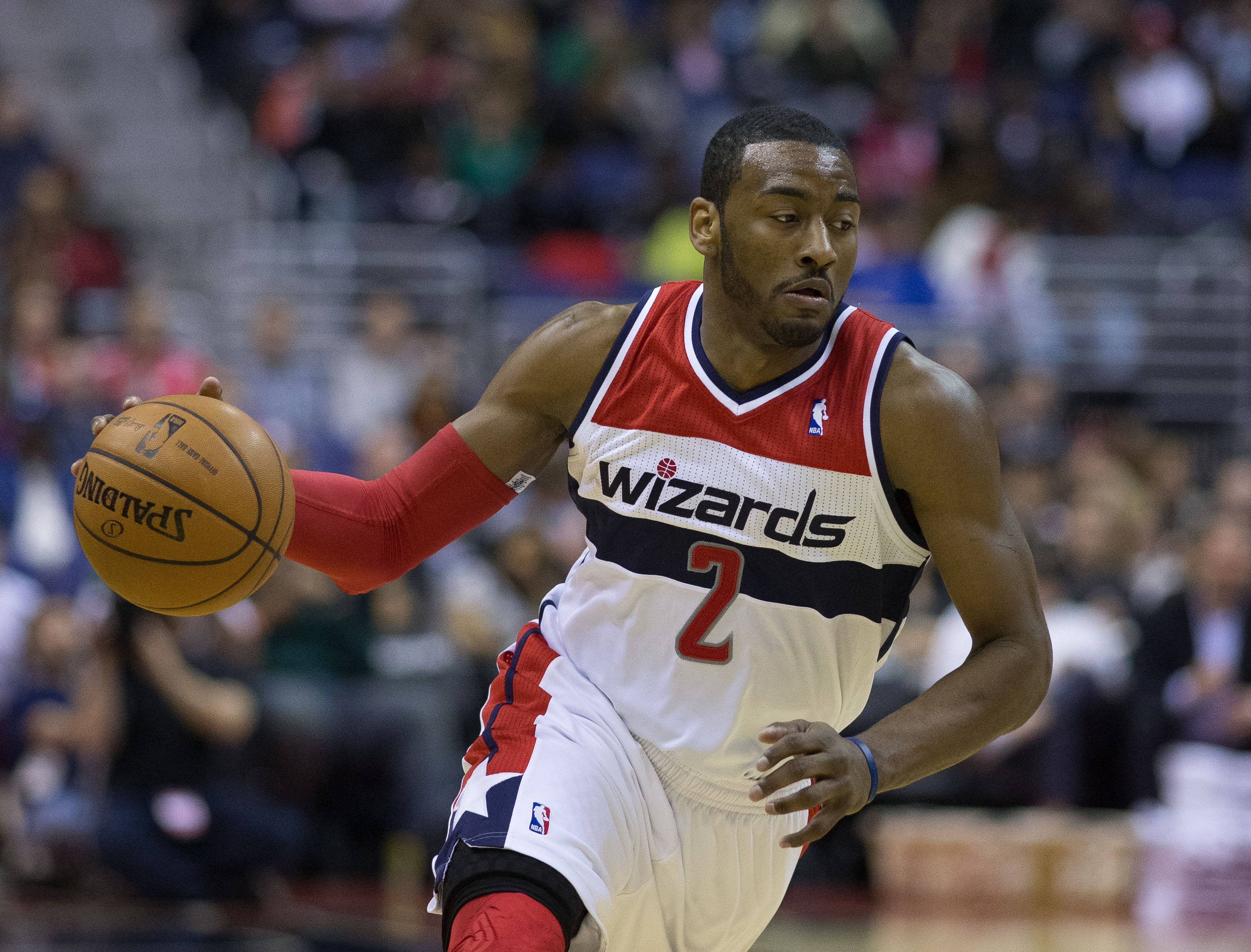
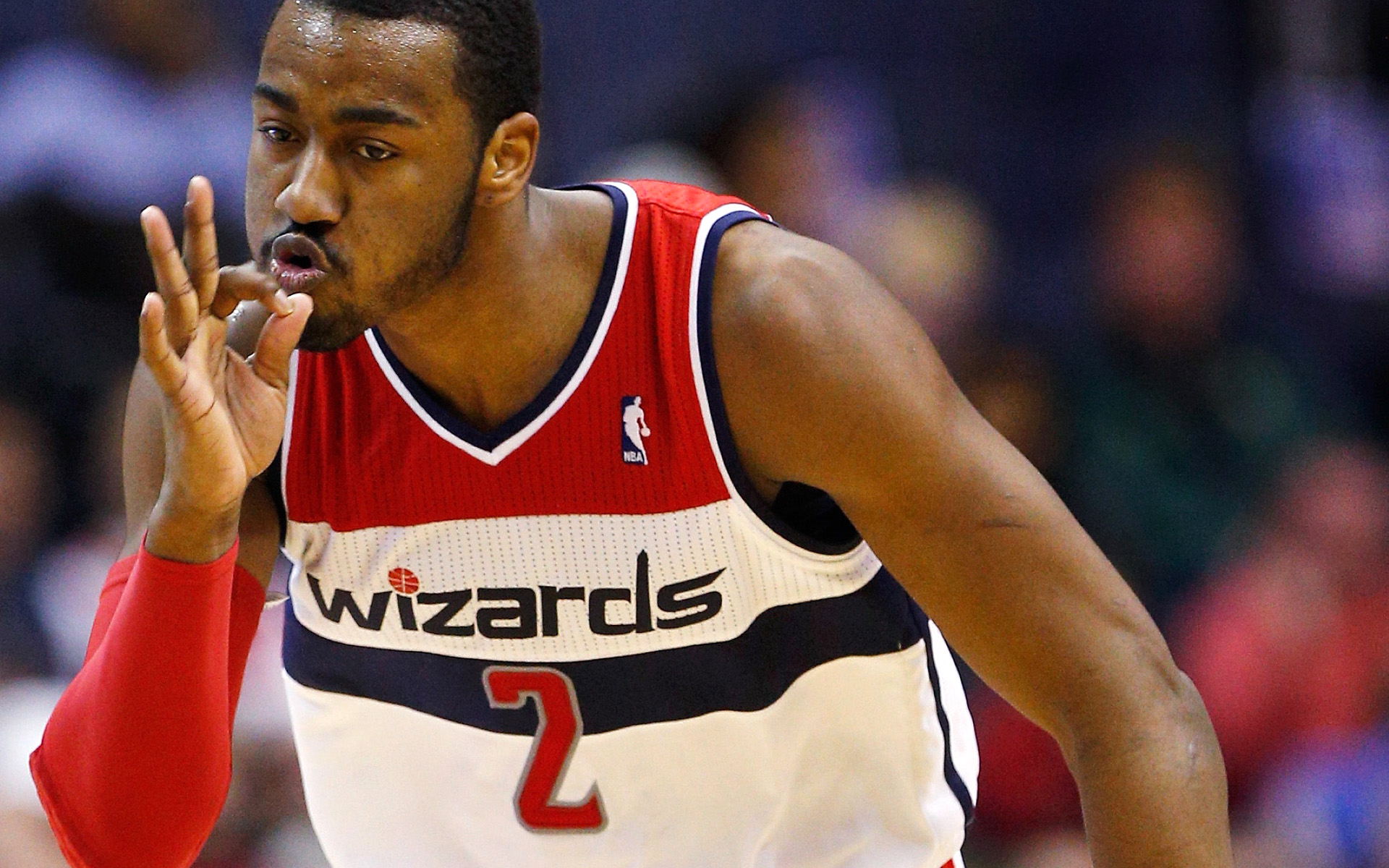
wall calls play

The Wizards continue to rack up wins — even over the last 10 games, which has been the team’s most challenging stretch of the year. Last night, they did something that has me typing words that would have been difficult to imagine typing just last season: Fueled by a strong performance from Kevin Seraphin, Washington blew open a close contest late to secure a comfortable win against the San Antonio Spurs.

It was the team’s first win over the Spurs since 2005. The team’s record now sits at 26-12, good for second in their division and in the conference. Their .684 winning percentage is that of a 56-win team over an 82-game schedule — rarefied air for this franchise.

But…are they really that good? Basketball analytics has shown that scoring differential is a better predictor of team strength than its record. Luck can push a team’s record up or down a few wins, but how much it outscores its opponents offers a truer measure of relative strength.

So far this season, Washington’s scoring differential is +2.13, a mark that would suggest a 47-win team. Add in their weak schedule (fifth easiest in the league), and their differential falls to +1.49, which would suggest a 45-win team.

That +1.49 is Basketball-Reference’s Simple Rating System, a strength rating that combines scoring differential with strength of schedule. Of teams in NBA history with a similar SRS (between +1.0 and +2.0), the Wizards have the best winning percentage. They’re at .684 so far. Next closest is the 1961-62 Lakers at .675.

Of the 115 teams in that similar SRS grouping, the average winning percentage is .554 — so, 45 wins.

Narrow the focus to an SRS between +1.4 and +1.6, and the field is cut to 17 teams. And the winning percentage drops to .541 — about 44 wins.

But, here’s where that strength of schedule thing works in Washington’s favor. While the Wizards aren’t overwhelmingly strong, the East remains historically weak. Their schedule the rest of the way is about 0.7 points per game weaker than average — roughly the quality of a 39-win team the rest of the way. Because of that, Washington projects to finish with 51-53 wins, even without improving their scoring differential.

Weekly Player Production Average Update

Player Production Average (PPA) is an overall rating stat I developed that credits players for things they do that help a team win and debits them for things that hurt the cause. PPA is pace neutral, accounts for defense, and includes a “degree of difficulty” factor based on the level of competition a player faces while on the floor. In PPA, 100 = average, higher is better and replacement level is 45.

PLAYER GMS MPG 11/10 11/18 11/24 12/3 12/8 12/17 12/23 12/29 1/6 PPA
John Wall 38 35.5 185 180 180 168 167 175 171 171 167 172
Marcin Gortat 38 29.5 181 186 170 175 179 178 178 173 158 157
Paul Pierce 36 26.4 140 138 165 134 134 154 142 143 148 144
Nene Hilario 31 24.5 108 102 68 67 83 94 96 97 101 112
Bradley Beal 29 33.4 122 63 69 94 90 98 102 106
Rasual Butler 34 22.7 60 131 116 128 155 140 134 123 99 101
Kris Humphries 37 21.5 46 87 90 82 109 100 88 109 103 98
Andre Miller 38 12.6 72 69 92 103 102 101 89 85 97 94
Otto Porter 28 18.2 97 106 101 95 84 81 84 82 85 82
Garrett Temple 29 12.8 121 112 96 100 98 91 90 75 73 68
Kevin Seraphin 37 15.6 38 13 17 12 28 34 45 36 35 44
Drew Gooden 21 12.2 42 40 59 78 64 47 47 44 32 22
DeJuan Blair 12 4.8 -41 -40 -40 -74 -56 -47 -46 -34 2 16
Martell Webster 5 11.6 -150 -44
Glen Rice 5 8.6 -120 -117 -117 -117 -114 -113 -111 -111 -110 -110

It was fun to see Seraphin follow a good performance against the Hawks with an outstanding one against the Spurs. But, it’s going to take a sustained run of solid play from the big fella to convince me he belongs in the rotation. Previous analysis of Seraphin’s game log showed he has an above average game about 20% of the time. Over the course of an 82-game schedule, it’s almost inevitable that he’d have at least one two-game sequence where he performs above average in each. There’s approximately a 47% chance he’ll have a three-game sequence in which he performs above average.

In fact, he’s already done it this season against Denver, at Boston and home against Boston from December 5-8. He followed up that three-game stretch with a meh game at Orlando, two negative games against the Clippers and Jazz, and then a replacement level performance against Minnesota. If you want a sign that he’s truly improved, wait until he’s strong together four or more consecutive above average performances.

Also good: upticks in performance from Wall, Nenê, and Beal. Gortat’s performance was flat, but significantly down his production in December.

There seems to be some sentiment among Wizards fans (and maybe even the coach) that the team needs a backup PG to replace or supplement Miller. While Miller is a defensive liability, his overall performance (which is what matters) has been solid.

If the team is looking to upgrade for the second half of the season, it wouldn’t hurt to add a third PG for insurance. But, more pressing issues are Seraphin as the backup center, and perhaps a more athletic 3&D type to backup Beal.

Wizards Update: Successful Trip, But Concerns Remain

While fans worried during Washington’s three-game losing streak over the past week, the Wizards completed a successful road trip against Western Conference opponents with wins over Houston and New Orleans. Entering the trip as decided underdogs in all five contests, the Wizards were competitive in all but the Dallas game — which came the night after a gritty win against the Rockets.

Upon completion of the trip, I updated my “who’s gonna win” calculator and projected the Wizards’ final record. At the Washington Post this week, columnist Thomas Boswell did a nice job explaining why the Wizards aren’t as good as their record. Everything Boswell wrote is valid and correct, but…being in the Eastern Conference this season is incredibly fortunate for a middle-of-the-pack team like the Wizards.

Based on season performance through last night’s games, I estimate Washington will finish with 51-54 wins — the best season for the franchise since the mid-1970s.

My biggest concerns for the Wizards going forward are these:

  • Age — Many seem to think this is a young team, but it’s not. They have the league’s 7th oldest rotation, and they’re reliant on 30+ year olds in key roles — including the 38-year old Andre Miller and the 37-year old Paul Pierce. And there’s Nenê, whose play has declined the past couple years as he’s suffered through a series of nagging injuries.
  • No elite producers — I can hear the screens breaking all over the DC area. What about John Wall?! He’s an All-Star, a top five PG, and you wrote last week that he’s the league’s best defensive PG. Well, some of that is true. But, good as Wall has been this season, he’s still well behind the game’s elite players when it comes to doing things that cause a team to win. As I’ve pointed out previously, Wall does a lot of good things when he’s on the floor, but…he also does a lot of things that hurt — specifically turnovers, missed shots and poor shot selection. To become an elite team, the Wizards need him to play even better than he already has.
  • Kevin Seraphin — The coaches keep playing him, and in games against weaker opponents he doesn’t hurt too much. Against better teams, it hurts to have Seraphin in the lineup. That was apparent in the loss against Oklahoma City. In a game the Wizards lost by seven, they were -11 when Seraphin was on the floor. For those who don’t want to do the math, that means Washington was +7 when he was on the bench.
  • Lack of Progress from the youngsters — I’m a big fan of Bradley Beal and Otto Porter, but both guys have been pretty average so far. Beal’s 102 PPA (see below) is a modest improvement, but is below average for a starter (125). Porter has been okay as a backup, and is performing at a level similar to that of players with similar collegiate production. Neither guy has demonstrated they should be considered foundational players for the Wizards. And, I think Washington will need one of the two (preferably Beal) to make that leap this season if they hope to reach the conference Finals…or more.
  • Coaching — Encouraged by head coach Randy Wittman, the Wizards continue to take too many two-point jumpers. Sometimes they’re necessary, but the math is abundantly clear that they’re bad shots — exactly the ones the defense wants them to take.

Weekly Player Production Average Update

Player Production Average (PPA) is an overall rating stat I developed that credits players for things they do that help a team win and debits them for things that hurt the cause. PPA is pace neutral, accounts for defense, and includes a “degree of difficulty” factor based on the level of competition a player faces while on the floor. In PPA, 100 = average, higher is better and replacement level is 45.

PLAYER GMS MPG 11/10 11/18 11/24 12/03 12/08 12/17 12/23 12/29 PPA
John Wall 29 35.6 185 180 180 168 167 175 171 171 167
Marcin Gortat 29 29.6 181 186 170 175 179 178 178 173 158
Paul Pierce 28 26.4 140 138 165 134 134 154 142 143 148
Kris Humphries 28 21.7 46 87 90 82 109 100 88 109 103
Bradley Beal 20 33.2 122 63 69 94 90 98 102
Nene Hilario 22 24.2 108 102 68 67 83 94 96 97 101
Rasual Butler 25 22.6 60 131 116 128 155 140 134 123 99
Andre Miller 29 12.8 72 69 92 103 102 101 89 85 97
Otto Porter 28 18.7 97 106 101 95 84 81 84 82 85
Garrett Temple 25 14.0 121 112 96 100 98 91 90 75 73
Kevin Seraphin 28 15.4 38 13 17 12 28 34 45 36 35
Drew Gooden 18 13.1 42 40 59 78 64 47 47 44 32
DeJuan Blair 9 5.0 -41 -40 -40 -74 -56 -47 -46 -34 2
Glen Rice 5 8.6 -120 -117 -117 -117 -114 -113 -111 -111 -110
Martell Webster 2 10.0 -150

No major surprises considering the team went 2-3 over the past week. Wall took over the top spot in the team’s PPA rankings because Gortat’s play dropped further.

Rasual Butler’s anticipated reversion to the mean is in progress. Hopefully, Beal’s play will improve as Butler’s dips.

Seraphin held steady…below replacement level.

For the first time in weeks, the Wizards dusted off DeJuan Blair, and he moved his PPA out of negative territory.

Martell Webster looked terrible in his return from back surgery.

Wizards Update: Best Start In Franchise History

These are strange and enjoyable days for Wizards fans. The team is 19-7, tied for the best start in franchise history, and metaphysically certain to make another trip to the playoffs. They’re in a tight race with the Atlanta Hawks for first in the Southeast Division. And John Wall is probably going to make his second All-Star game appearance in February.

The team is fairly deep in terms of solid players, though Wall and Pierce (the team’s top producers) still fall short of the game’s elite. The Wizards have benefited so far from playing the league’s easiest schedule. That’ll change somewhat when they make their trips to the West, but they’re in the Eastern Conference so their competition isn’t going to get much more challenging.

That said, the Wizards have no control over the schedule or the state of other teams. Their job is to beat whoever’s in the other color jersey, and they’re doing a good job of that so far this season.

Weekly Player Production Average Update

Player Production Average (PPA) is an overall rating stat I developed that credits players for things they do that help a team win and debits them for things that hurt the cause. PPA is pace neutral, accounts for defense, and includes a “degree of difficulty” factor based on the level of competition a player faces while on the floor. In PPA, 100 = average, higher is better and replacement level is 45.

PLAYER GMS MPG 10-Nov 18-Nov 24-Nov 3-Dec 8-Dec 17-Dec PPA
Marcin Gortat 26 29.5 181 186 170 175 179 178 178
John Wall 26 36.1 185 180 180 168 167 175 171
Paul Pierce 25 27.4 140 138 165 134 134 154 142
Rasual Butler 22 22.3 60 131 116 128 155 140 134
Nene Hilario 19 24.6 108 102 68 67 83 94 96
Bradley Beal 23 32.9 122 63 69 94 90
Garrett Temple 17 15.6 121 112 96 100 98 91 90
Andre Miller 26 12.2 72 69 92 103 102 101 89
Kris Humphries 25 21.5 46 87 90 82 109 100 88
Otto Porter 25 19.6 97 106 101 95 84 81 84
Drew Gooden 16 14.8 42 40 59 78 64 47 47
Kevin Seraphin 25 15.6 38 13 17 12 28 34 45
DeJuan Blair 8 4.6 -41 -40 -40 -74 -56 -47 -46
Glen Rice 5 8.6 -120 -117 -117 -117 -114 -113 -111

Production rates are stabilizing for many on the team. This week, most of the ratings edged down slightly — that was the case for Wall, Pierce, Butler, Beal, Miller, Temple, and Humphries. Nenê and Porter edged up a bit.

The biggest improver was Kevin Seraphin, whose rating for the season rose to replacement level.

How Important Is Wizards Record When Holding Opponents Under 100 Points?

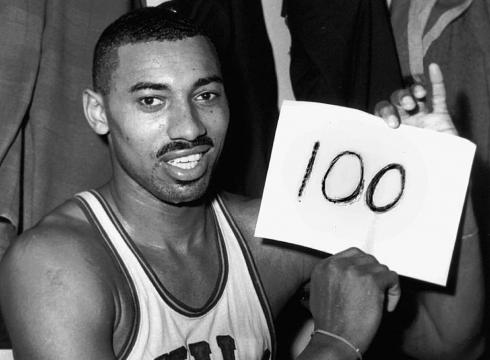
Wilt 100

So, I keep seeing the nugget that the Wizards are 15-0 when holding opponent under 100 points. This is true, but…

  1. The average team is scoring 100.2 points per game. By definition, the break point for winning and losing is going to be around 100.
  2. Three other teams are unbeaten when opponent scores less than 100 — GSW (15-0), ATL (14-0), TOR (12-0). Sorta interesting that three of the four unbeatens are in the East.
  3. Four teams have losing records when opponent scores less than 100 — CHO (3-5), NYK (5-9), DET (4-9), PHI (1-7). Hmm, all in the East.
  4. Two teams are .500 — ORL (8-8) and UTA (5-5). Another team in the East and one of the really bad teams in the West.
  5. League record when opponent scores less than 100 points — 261-103, a .717 winning percentage.
  6. OKC leads league in holding opponent under 100. They’ve done it 19 times and are 11-8 in those games. Of course, they’ve missed Durant and Westbrook (aka their offense) for many of those games.
  7. The Lakers are 5-2 when holding opponent under 100.
  8. Wizards are tied with GSW, MEM, MIA, and BRK for 4th most games holding opponent under 100. OKC (19), POR (17), HOU (17) and ORL (16) are the top four.

This statoid isn’t as meaningful as we’d like it to be.

But, as friend of the blog fishercob noted, “Expect to see it mentioned repeatedly during CSN’s broadcast.”

Wizards Update: Is Wall A Top 5 PG?

Now in his fifth year, Wizards PG John Wall is having the best season of his career. He’s drawn accolades from observers around the league, and some Washington fans have even started wondering if he might be a fringe MVP candidate. The MVP talk and the “he’s the best PG in the league” assertions are premature, however. He’s terrifically productive, but there’s still room for significant improvement.

Put away the pitchforks and torches. While Wall isn’t quite where fans want to place him, this is really good news for the Wizards. He’s a phenomenal player whose best days are likely still in the future.

While Wall’s passing and offensive creativity elicits praise, his greatest contribution is on the defensive end. In the defense part of my metric (Player Production Average — PPA for short), Wall rates as the league’s best defensive PG. That’s not a typo. Number one. Top of the heap. Nobody better. That finding is echoed by ESPN’s Real Plus Minus stat. If the season ended today, he’d be on my first-team All-Defense ballot.

As head coach Randy Wittman told the Sports Junkies this morning, Wall has all the attributes of an outstanding defender — size, quickness, speed, strength, length. And while he’s rated as a good defender in my system in previous years, he’s made the defensive leap this season with suffocating on-ball pressure, hard close-outs on shooters, and impeccable timing in the passing lanes.

The Los Angeles Clippers, led by elite PG Chris Paul, struggled to get into their offensive sets early in Washington’s win last week because of Wall’s pressure. Consider this: Paul has 49 total turnovers this season. Six of them came against the Wizards.

By now you’re probably wondering: If Wall’s so great on defense and he’s such a great passer and the Wizards are winning, why don’t you agree he’s an MVP candidate? Why are you about to tell me he’s not a top five PG?

Which brings me back to a junk metric I created last season: Only Good Stuff. In its simplest form, OGS is points + rebounds + assists + steals + blocks.

Wall is among the game’s more active players when he’s out there. He produces lots of OGS — 7th most in the league, in fact. Here’s the top 10 in OGS:

  1. James Harden — 977
  2. Anthony Davis — 940
  3. Stephen Curry — 922
  4. Kobe Bryant — 917
  5. Lebron James — 917
  6. LaMarcus Aldridge — 869
  7. John Wall — 867
  8. Blake Griffin — 843
  9. Kyle Lowry — 361
  10. Damian Lillard — 835

That’s a pretty impressive group, and Wall sits second among PGs. But, it’s ONLY the good stuff. What if we look at the other side of the ledger — Only Bad Stuff (missed field goal attempts + 0.5 x missed free throw attempts + turnovers + fouls)? Well, Wall’s near the top of that list too — 6th most OBS. The bottom 10:

  1. Kobe Bryant — 502
  2. James Harden — 422
  3. Monta Ellis — 389
  4. Josh Smith — 387
  5. Carmelo Anthony — 384
  6. John Wall — 367
  7. Tyreke Evans — 365
  8. Kyle Lowry — 361
  9. Blake Griffin — 360
  10. Stephen Curry — 351

So, with Wall (and several other of the game’s outstanding players), lots of good AND lots of “bad.” What if we combine the two? Because the categories aren’t weighted based on how much they contribute to winning, let’s call this last category Unweighted Total Stuff (UTS) — OGS – OBS. Here’s the top 10:

  1. Anthony Davis — 687
  2. Stephen Curry — 571
  3. Lebron James — 559
  4. James Harden — 555
  5. Chris Paul — 523
  6. LaMarcus Aldridge — 523
  7. Marc Gasol — 512
  8. Tyson Chandler — 505
  9. John Wall & Damian Lillard — 501
  10. Blake Griffin — 484

Enough with the “stuff,” according to PPA (which is pace neutral, accounts for defense, and includes a degree of difficulty factor), Wall currently sits 8th among PGs on a per minute basis. Westbrook, Curry and Paul are clearly the top three. Lillard is next. Then it’s a tight group of Jeff Teague, Lowry, Mike Conley and Wall.

The scores of Wall’s group are close enough that I’d classify them as “about the same” and reasonable minds can differ on what order they should be in. I won’t argue if you want to push Wall to fifth, though I don’t see justification for ranking him higher at this point.

As mentioned above, Wall rates as the best defender — Lowry and Conley rate as average; Teague as a good-not-outstanding defender. However, Wall is the least efficient on offense among the top PGs by approximately 8 points per 100 possessions.

In TOTAL production, Wall currently sits 5th behind Curry, Paul, Lillard and Lowry. Kyrie Irving slips in ahead of Wall for fifth in per game PPA.

What can Wall do to improve? Shoot better and commit fewer turnovers.

How good has Wall been in December? His PPA for the month is 219 so far. If that was his PPA for the season, he’d rank 4th among PGs, ahead of Lillard, but still behind Westbrook, Curry and Paul.

To this week’s PPA update…

PPA is an overall rating stat I developed that credits players for things they do that help a team win and debits them for things that hurt the cause. PPA is pace neutral, accounts for defense, and includes a “degree of difficulty” factor based on the level of competition a player faces while on the floor. In PPA, 100 = average, higher is better and replacement level is 45.

PLAYER GMS MPG 10-Nov 18-Nov 24-Nov 3-Dec 8-Dec PPA
Marcin Gortat 19 30.2 181 186 170 175 179 178
John Wall 19 35.9 185 180 180 168 167 175
Paul Pierce 19 27.3 140 138 165 134 134 154
Rasual Butler 15 21.6 60 131 116 128 155 140
Andre Miller 19 12.4 72 69 92 103 102 101
Kris Humphries 18 22.0 46 87 90 82 109 100
Nene Hilario 13 33.2 108 102 68 67 83 94
Bradley Beal 10 24.6 122 63 69 94
Garrett Temple 17 17.0 121 112 96 100 98 91
Otto Porter 18 20.1 97 106 101 95 84 81
Drew Gooden 12 15.9 42 40 59 78 64 47
Kevin Seraphin 18 15.3 38 13 17 12 28 34
DeJuan Blair 6 4.6 -41 -40 -40 -74 -56 -47
Glen Rice 5 8.6 -120 -117 -117 -117 -114 -113

The Paul Pierce signing looks better and better. The last time Pierce was this productive was the 2011-12 season. His efficiency numbers have surged as the SF has found the Fountain of Youth. One potential warning sign is a slip in his defensive impact since the season’s opening weeks. After rating solidly above average earlier in the year, he’s down to average in my most recent update.

Andre Miller is another of the Wizards ancients who continues to perform well. The team plays dramatically different when he replaces Wall in the lineup (they slow by 10 possessions per 48 minutes), but they’re crazy efficient when he’s out there. It seems like every game is a masterclass for how to get to the rim despite running in slow motion.

Statistical tidbit: so far this season, Wall is averaging 14.8 assists per 100 possessions. Miller is averaging 14.4.

Beal and Nenê increased production after a couple rough weeks. I hope Wittman continues to use Nenê off the bench where he can face opponent reserves when Washington is on offense, and anchor a weak defensive second unit.

Kevin Seraphin was up for a second straight week. His rebounding has improved the past couple weeks, though his offensive efficiency remains poor. Among the team’s regulars, he’s in a virtual tie with Miller as the least effective defender.

Wizards Update: Two Steps Forward, One Step Back

rasual

Over the past week, the Wizards rolled to convincing wins over the hapless Lakers and the not-awful Nuggets, and then lost a shoulda-won game against a middling Celtics squad. And, in the grand tradition of players having good games shortly after I rip them, Kevin Seraphin had probably his best game of the year against Denver.

Meanwhile, John Wall climbed into a tie with Rajon Rondo for having the biggest defensive impact for a point guard in my rating system. Wall shows up in my numbers as having the biggest defensive impact on the Wizards so far this season. Not bad for a guy who I still think has room for improvement on the defensive end.

Other positive defenders: Marcin Gortat, Nenê, Kris Humphries, and Garrett Temple.

The “about average” grouping includes: Otto Porter, Rasual Butler and Paul Pierce. Pierce, had gotten off to an excellent start defensively, but his individual performance seems to have slipped a bit over the past couple weeks.

Bradley Beal and Drew Gooden are in the “bad defensive impact” category so far. Kevin Seraphin and Andre Miller are defensive dumpster fires to this point in the year.

Below is the Player Production Average (PPA) update. PPA is an overall rating stat I developed that credits players for things they do that help a team win and debits them for things that hurt the cause. PPA is per-minute, pace neutral, accounts for defense, and includes a “degree of difficulty” factor based on the level of competition a player faces while on the floor. In PPA, 100 = average, higher is better and replacement level is 45.

PLAYER GMS MPG 10-Nov 18-Nov 24-Nov 3-Dec PPA
Marcin Gortat 19 30.5 181 186 170 175 179
John Wall 19 35.3 185 180 180 168 167
Rasual Butler 15 20.3 60 131 116 128 155
Paul Pierce 19 26.6 140 138 165 134 134
Kris Humphries 18 19.7 46 87 90 82 109
Andre Miller 19 12.6 72 69 92 103 102
Garrett Temple 17 20.2 121 112 96 100 98
Otto Porter 18 21.9 97 106 101 95 84
Nene Hilario 13 25.5 108 102 68 67 83
Bradley Beal 10 30.4 122 63 69
Drew Gooden 12 17.3 42 40 59 78 64
Kevin Seraphin 18 15.2 38 13 17 12 28
DeJuan Blair 6 5.7 -41 -40 -40 -74 -56
Glen Rice 5 8.6 -120 -117 -117 -117 -114

The first thing I wondered about when perusing the table above was the lack of change in Wall’s PPA. My feeling was that he had a terrific week. But, the game log shows that he shoot poorly (efg of just .395) and that he committed 14 turnovers.

Rasual Butler had another week of outlandishly good shooting. In non-shooting categories, Butler’s numbers are all within established career norms. So far in Washington, he’s shooting .579 from 2pt range (vs. a career average of .435), and .545 from 3pt range (vs. a career average of .364).

I know fans want to attribute this to The Wall Effect, but a) only about half Butler’s minutes have been with Wall; b) he’s shooting with outlandish accuracy (and more often) when Wall’s on the bench; and c) his shooting numbers in Indiana last season were also significantly better than his previous career norms.

Butler efg usg
with Wall .765 13.8%
w/o Wall .700 20.3%

It may simply be that Butler worked hard and improved his shooting late in his career. And, it may be that he’s ripe for a regression. Sample sizes are still small: just 304 minutes and 112 shot attempts so far this season.

I’d like to see the Wizards continue to start Humprhies and bring Nenê off the bench. The starting lineup doesn’t appear to have suffered with the change, which isn’t surprising considering how little Nenê was producing. I suspect Nenê’s production will improve going against bench bigs. And, bringing him off the bench, gives the coaching staff options at PF and C, which means they can drop Seraphin from the rotation.

Despite the loss to Boston, the week was a positive one for the Wizards. Good teams win games convincingly. They don’t necessarily have the best record in close games, because they often avoid close games in the first place. That Washington won three in a row (including the win against Miami) by double digits may be a marker of the team getting stronger.

Wizards Update: Rolling in the East

It’s good to be a Wizards fan right now. The team is 9-3, and reasonable forecasts suggest they’re probably the second best team in their conference. That the conference is historically weak isn’t their fault. The front office put together a solid, veteran squad, and the rest of the conference backed up.

So far this season, the NBA’s collective record vs. Eastern Conference teams is 111-85. That’s a .566 winning percentage, which works out to about 46 wins over an 82-game schedule.

Against the Western Conference, the NBA’s collective record is 86-112, which is a .434 winning percentage. That means about 36 wins over an 82-game schedule.

In other words, we would expect an average team facing the East to win about 46 games…which is what Basketball-Reference forecasts for the Wizards. To highlight the relative power differential between conferences, Basketball Reference predicts the Wizards will finish the season as the second best team in the East, but with an SRS (a robust and “simple” rating system that combines a team’s scoring differential with that of its opponents) that would land it 11th in the West.

But, this is a “moment in time” snapshot. The picture changes a bit with every game played. And there are still a ton of games on the schedule.

Before I get to this week’s stat update, I wanted to address a recurring sentiment I’ve been hearing from an array of Wizards fans. Basically, it’s some variation on the theme that Kevin Seraphin is having a good season or a breakout game or a coming out party or developing into a valuable reserve.

He’s not. At least not so far.

In fact, he’s playing poorly, even compared to his previous performances, which ranked him as the league’s least productive center (per minute) two seasons ago, and the second least productive center last season.

On offense, he’s shooting a good percentage this season, but continues to be a poor passer and a turnover machine. He rates as having very little defensive impact,because of his anemic defensive rebounding and rampant fouling.

The measuring stick on Seraphin is so off that one fan (who later suggested it was the beer talking) tweeted a rave about Seraphin being a revelation on a night the big fella shot 2-7 from the floor.

Here’s Seraphin’s game-by-game PPA scores for this season:

GMS MIN PPA
1 7.7 -202
2 1.9 -1003
3 22.1 184
4 13.9 -84
5 18.1 64
6 19.5 139
7 16.7 -70
8 16.1 -36
9 10.6 -36
10 23.4 83
11 13.1 -29

In PPA, 100 = average and higher is better. In 11 games, Seraphin has managed an above-average production rate twice. He’s been a net negative seven times — six, if you prefer to throw out the two-minute stint in the second game of the season.

I like Seraphin, the person. But, he’s not a good NBA player. He hasn’t become one. He’s showing very few signs of developing into one. The Wizards need to find another option as their backup center.

Below is the Player Production Average (PPA) update. PPA is an overall rating stat I developed that credits players for things they do that help a team win and debits them for things that hurt the cause. PPA is per-minute, pace neutral, accounts for defense, and includes a “degree of difficulty” factor based on the level of competition a player faces while on the floor. In PPA, 100 = average, higher is better and replacement level is 45.

PLAYER GMS MPG 10-Nov 18-Nov PPA
John Wall 12 35.7 185 180 180
Marcin Gortat 12 30.9 181 186 170
Paul Pierce 12 27.5 140 138 165
Bradley Beal 3 30.7 122
Rasual Butler 8 16.4 60 131 116
Otto Porter 11 24.4 97 106 101
Garrett Temple 12 26.8 121 112 96
Andre Miller 12 12.6 72 69 92
Kris Humphries 11 15.6 46 87 90
Nene Hilario 11 27.1 108 102 68
Drew Gooden 7 18.0 42 40 59
Kevin Seraphin 11 14.8 38 13 17
DeJuan Blair 3 3.7 -41 -40 -40
Glen Rice 5 8.6 -120 -117 -117

This week, I’ve added a column to show each of the previous PPA updates. I’ll keep doing that as long as there’s space.

Wall seems to be settling in at a very high performance level. It’s scary to think there’s still lots of room for improvement too. Seth Partnow at BBall Breakdown did a nice job of summarizing the problem with Wall’s shot selection. Improved decision-making would likely improve the PG’s individual efficiency, and give his team a much-needed boost.

I don’t see how the Wizards could have hoped for more from Pierce, who is performing at a high level in the early going this season.

Nenê suffered a plantar fascia injury to his right foot in the win over Milwaukee. While it’s not good to lose a starter, Nenê has been playing nothing like a starter. His defense shows up as a slight net positive, but doesn’t come close to offsetting his awful offensive efficiency.

Wizards Update: Still Cause for Concern

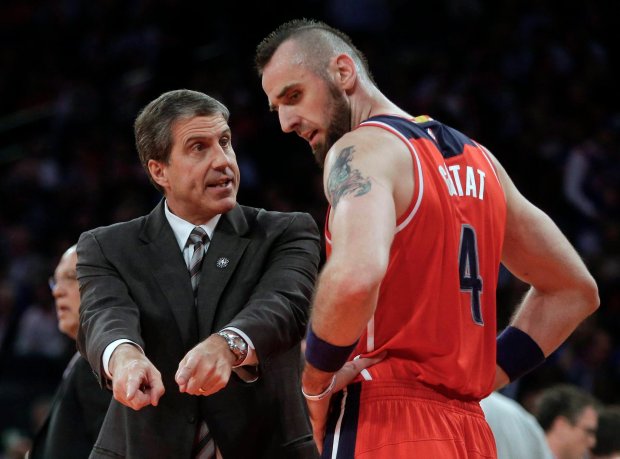
wittman & gortat

The Wizards are 7-2 to start the season, which ought to be cause for celebration. And, judging by media reports and fan reaction, that’s mostly what’s happening. So what’s wrong with me?

I’m unconvinced that the good record is particularly meaningful. This is not to suggest the Wizards need to apologize for the competition they’ve faced. They don’t make the schedule, and it’s not their fault that the East is possibly weaker than it was last season — when it was aggressively bad. All Washington can do is keep beating whoever’s on the calendar, which is what they’ve been doing so far.

But…I’m still concerned because of the way they’ve been winning. In sports, the best teams typically have the highest scoring differentials. The Wizards this season stand 11th in scoring differential at +2.22, which doesn’t sound bad except that their opponents have a collective scoring differential of -2.52. In other words, the Wizards are winning by less than the rest of the league against their opponents. At least so far.

There’s a strong sentiment that’s something like: Hey, the Wizards are winning games they should win, which is real progress for this franchise. To an extent, I agree. But, what often happens to an average team (and the numbers are suggesting the Wizards are pretty average) is that over time, they’ll lose games they “shouldn’t.” And there are a TON of games left on the schedule.

Some have pointed out that Washington has played so far without Bradley Beal, which is true but perhaps not as meaningful as some think. Beal was pretty average last season, and didn’t project to make a huge leap this year (at least not in my preseason analysis). Much of what I anticipated he’d provide has been produced by Garrett Temple and Rasual Butler thus far.

Perhaps the best reason to think Washington might be able to win 48-50 games this season is the good fortune of playing in a historically weak conference. Just six Eastern Conference teams have a positive scoring differential so far, and the sixth (Brooklyn) is us by one point total so far this season. All that said, in Basketball-Reference’s simple rating system (which combines scoring margin with strength of schedule), the Wizards currently sit 16th overall and 6th in the East. If they want to make some noise this season, they need to play better.

Below is the Player Production Average (PPA) update. PPA is an overall rating stat I developed that credits players for things they do that help a team win and debits them for things that hurt the cause. PPA is pace neutral, accounts for defense, and includes a “degree of difficulty” factor based on the level of competition a player faces while on the floor. In PPA, 100 = average, higher is better and replacement level is 45.

PLAYER GMS MPG LW PPA
Marcin Gortat 9 31.3 181 186
John Wall 9 35.6 185 180
Paul Pierce 9 27.4 140 138
Rasual Butler 5 19.2 60 131
Garrett Temple 9 31.1 121 112
Otto Porter 9 24.2 97 106
Nene Hilario 8 28.6 108 102
Kris Humphries 8 13.9 46 87
Andre Miller 9 12.9 72 69
Drew Gooden 6 19.5 42 40
Kevin Seraphin 8 14.5 38 13
DeJuan Blair 3 3.7 -41 -40
Glen Rice 5 8.6 -120 -118

The numbers show Gortat and Wall playing outstanding basketball. Both are performing at an All-Star level. Wall could push his way into All-NBA consideration, if he continues. Gortat’s PPA is currently sixth among centers behind Tyson Chandler, Omer Asik, DeAndre Jordan, DeMarcus Cousins and Robin Lopez.

Biggest improvers this week were Butler and Humprhies. Largest drop was from Seraphin, whose field goal percentage dropped while his rebounding, turnovers and fouling remained poor.

How Does Robert Griffin III Compare to Other Young QBs?

griffin sacked

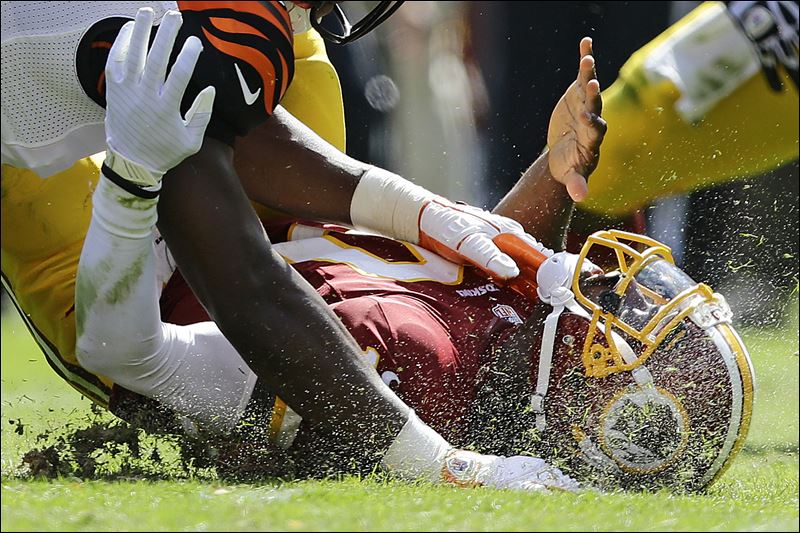
In what has become an annual event, the Washington Slurs have ended the competitive portion of their season. Sure, there’s another games to go, but with a 3-7 record, there’s no realistic scenario that gets the Slurs into the playoffs. So, the Washington coaching staff and front office will surely go into player evaluation mode to see what they have to build upon.

Their most important evaluation will be at quarterback. Three years ago, the franchise paid a heavy price to acquire Robert Griffin III, and even the most ardent of Griffin supporters would have to agree that major improvement is necessary.

While the knee-jerk reaction from fans (judging by Twitter commentary, office chit-chat, and sports radio callers) is that Washington should move on from Griffin. The verdict: he’s shown he’s not an NFL-caliber QB. He doesn’t read defenses well enough, and when he does try to run, he seems to be missing that world-class sprinter speed he exhibited before the wrecked knee and the dislocated ankle.

To me, what makes the most sense is to ride out the season with Griffin and see if he’s able to learn and improve. While Griffin had a tough game against the pitiful Buccaneers, backups Colt McCoy and Kirk Cousins each performed worse when given extended chances to play. McCoy did have a good game a few weeks ago, but was dismal as the starter in Cleveland. Cousins may have potential, but had a tendency to throw the ball to the other team.

I don’t see a ton of reason to play McCoy or Cousins, barring an injury or a catastrophic meltdown. Griffin looks like a guy who needs experience, which he won’t get by standing on the sideline. If he doesn’t show improvement, I’d lean toward picking up that fifth year option, and then holding an open competition for the QB job.

But, before diving headfirst into the wreckage of the future, it’s worth a look at how Griffin compares to other QBs at a similar point in their respective careers. In his third season, and with 32 starts, Griffin is obviously struggling. My search through the historical record suggests that’s actually pretty normal for young QBs.

To find similar players, I used Pro Football Reference’s database to find QBs with at least 20 starts in their first three seasons (since 1995). Using PFR’s passer rating index (Rate+) (where average = 100 and higher is better), Griffin is tied for 14th with Jay Cutler. A total of 63 QBs made the list. Here’s the top 20:

  1. Kurt Warner — 132
  2. Jeff Garcia — 119
  3. Daunte Culpepper — 118
  4. Carson Palmer — 114
  5. Russell Wilson — 114
  6. Marc Bulger — 113
  7. Brian Griese — 113
  8. Tom Brady — 110
  9. Peyton Manning — 110
  10. Nick Foles — 109
  11. Colin Kaepernick — 109
  12. Mark Brunell — 108
  13. Ben Roethlisberger — 108
  14. Jay Cutler — 106
  15. Robert Griffin III — 106
  16. Joe Flacco — 105
  17. Matt Ryan — 104
  18. Aaron Brooks — 101
  19. Cam Newton — 101
  20. Matthew Stafford — 101

Notable players falling just outside the top 20: Andy Dalton (21st), Donovan McNabb (23), Andrew Luck (26), Michael Vick (32), Drew Brees (38), Eli Manning (44), Vince Young (55), Trent Dilfer (58), and Alex Smith (60).

At least a few of those guys seemed to turn out okay in the long run.

However, recall that Griffin’s rookie season was one of the best ever. His Rate+ was 122, which tied with Roethlisberger for second best all-time behind Dan Marino’s 125. He obviously hasn’t performed to that level the past two seasons. The more “normal” progression is for young QBs to improve as they gain experience. Griffin was great immediately, but then played worse. It begs the question…What happens if we look ONLY at second and third seasons?

To answer that question, I pinged PFR’s database to find QBs who started at least 15 games in their second and third seasons (Griffin has 17 starts so far in his second and third seasons). As a rookie, Griffin’s Rate+ was 122, which is outstanding. For his full career, it’s 106 (a bit above average). But for the past two seasons, it’s 95, which is a little below average.

This suggests Griffin isn’t playing catastrophically bad (which he’s sometimes accused of doing), but it’s also clear he’s nowhere near the offensive force the Slurs need him to be.

Among the 67 QBs with at least 15 starts in their second and third seasons (since 1995), Griffin ranks 39th in Rate+. At the top of the list are a virtual who’s-who of good-to-great QBs. Kurt Warner tops the list. Peyton Manning landed fourth. Russell Wilson — selected 73 picks after Griffin — ranks 11th. Tom Brady is 12th.

Players in the “about the same” grouping with Griffin include names like: David Carr, Shaun King, Gus Frerotte, J.P. Losman, Kyle Orton, Derek Anderson, Eli Manning,and Patrick Ramsey.

Guys who rated worse, but became good QBs later include Drew Brees (51st), Alex Smith (63rd), Drew Bledsoe (65th) and (kinda-sorta) Trent Dilfer (67th).

Not very encouraging.

Probably the most hopeful scenario for Griffin is the Ben Roethlisberger story, but that narrative is different. Roethlisberger was terrific as a rookie, and followed it up with an outstanding second season. His third season was rough, but he bounced back in year four and has been a solid-to-excellent QB since.

Griffin, of course, had a great rookie season, a MAJOR drop-off in year two, and a modest recovery in year three (so far). Unless Griffin can find a way to improve, he’s far more likely to be someone’s backup in the near future than to be the franchise bedrock the Slurs were hoping he’d be.

Wizards Update: The Worries

wall the leap

The Washington Wizards are off to a 5-2 start, tied with Miami for first place in the NBA’s Southeast Division, and sitting on pretty good odds of getting to 7-2 before they face Dallas at Verizon Center. And yet…in classic Wizards’ follower fashion, I’m actually a little worried.

Yep, it’s good they’re winning. But, they should be winning given the quality of the opponents they’ve faced so far. No, this isn’t one of those “they would be X record if they’d faced teams A, B and C” critiques. I don’t believe a team (or its fans) should ever have to apologize for the schedule, which is something they don’t control.

What has me a little worried is how pedestrian the Wizards have looked so far this season. They’ve outscored their opponents by 1.57 points per game so far this season; the league has outscored their opponents by 1.99 points per game.

I’d be more willing to buy the injury excuse if they weren’t getting career-best play from Garrett Temple standing in for Bradley Beal and Martell Webster.

But, this is this “little worry” because we’re still in the annual performance of Small Sample Size Theater. A study by Kevin Pelton, then-writing for Basketball Prospectus, showed that team-level stats tend to stabilize around the 25th of the season. Other research has shown that per minute stats for individual players begin to have validity as quick as 150 minutes. More is better, though.

Still, the early indications are that, despite the good record early on, the Wizards are an average team again this season. They’ve been good defensively, but a bit below average on offense. The hope is that getting Beal and Webster will help bolster the team offensively when they can return from injury.

Here’s the first Player Production Average (PPA) update of 2014-15. PPA is an overall rating stat I developed that credits players for things they do that help a team win and debits them for things that hurt the cause. PPA is pace neutral, accounts for defense, and includes a “degree of difficulty” factor based on the level of competition a player faces while on the floor. In PPA, 100 = average, higher is better and replacement level is 45.

PLAYER GMS MPG PPA
John Wall 7 35.7 185
Marcin Gortat 7 32.7 181
Paul Pierce 7 28.0 140
Garrett Temple 7 33.7 121
Nene Hilario 6 29.2 108
Otto Porter 7 24.7 97
Andre Miller 7 12.9 72
Rasual Butler 3 14.3 60
Kris Humphries 6 9.8 46
Drew Gooden 6 19.5 42
Kevin Seraphin 6 13.8 38
DeJuan Blair 3 3.7 -41
Glen Rice 5 8.6 -120

Wall and Gortat should jump out immediately (they are at the top of the chart). Both guys have produced at an All-NBA level in the first seven games. This could be The Leap from Wall that fans have been waiting for. If he keeps it up. Gortat has actually performed at a 180ish PPA for a full season (2011-12).

Pierce has been everything Washington could have hoped he’d be. Over the summer, I went hunting through the stats to find players who’d be most likely to replace what Trevor Ariza had provided. The top name on the list: Paul Pierce. His offense could be more efficient, but he’s producing at about the level Ariza did last season — and his defense has been outstanding.

Nenê appears to have picked up more or less where he did last season, and that’s not such a great thing for the Wizards. He’s still a good defender, but his offensive efficiency seems to be departed.

It’s good to see Porter hovering around average. He’s been an asset off the bench, and seems to be figuring out the NBA game. Porter hasn’t been helped much by his oldster bench mates Miller and Gooden, who have been awful defensively since arriving in Washington.

And check out Porter look-alike Garrett Temple, who has so far played at the level of an almost-average NBA starter. Major kudos to Temple for all the work he’s done on his jumper. It shows in his form — especially in the way he sets his feet for takeoff, freezes the follow-through, and plants the landing.

I know folks are going to wonder about Kevin Seraphin, who rates below replacement level yet again. Seraphin is shooting 63% from the floor, and has had a couple nice games. His offensive efficiency is above average. And yet…he continues to be plagued by the same problems he’s had since his rookie year. Specifically, his rebounding is sub-par, he’s turnover prone, and he fouls too much.

Also worth noting are Kris Humprhies and DeJuan Blair, who were acquired in the offseason to provide frontcourt depth. So far, they’ve been behind Seraphin on the depth chart, which is astonishing. Humphries at least has some excuse — he missed three weeks of preseason with a hand injury. Blair has apparently been healthy, but can’t get on the floor despite dreadful play from Seraphin.

At some point, I gotta believe they’ll end the Seraphin experiment and give playing time to Humphries and/or Blair. Based on what they’ve done on the court so far this season, it’s fair to say that neither has made a case for playing ahead of Seraphin. At least not yet.